Case study: warranty remediation programme
How the owner classified defect claims, released contingency, and preserved lender technical comfort during serial-number remediation.
Owner context
During the defect notification period, multiple turbines exhibited availability gaps tied to component failures disputed between owner, operator, and OEM. HORNSDALE ASSET CO PTY LTD needed a single adjudication framework so lenders could distinguish warranty recovery from owner-funded risk.
Problems encountered
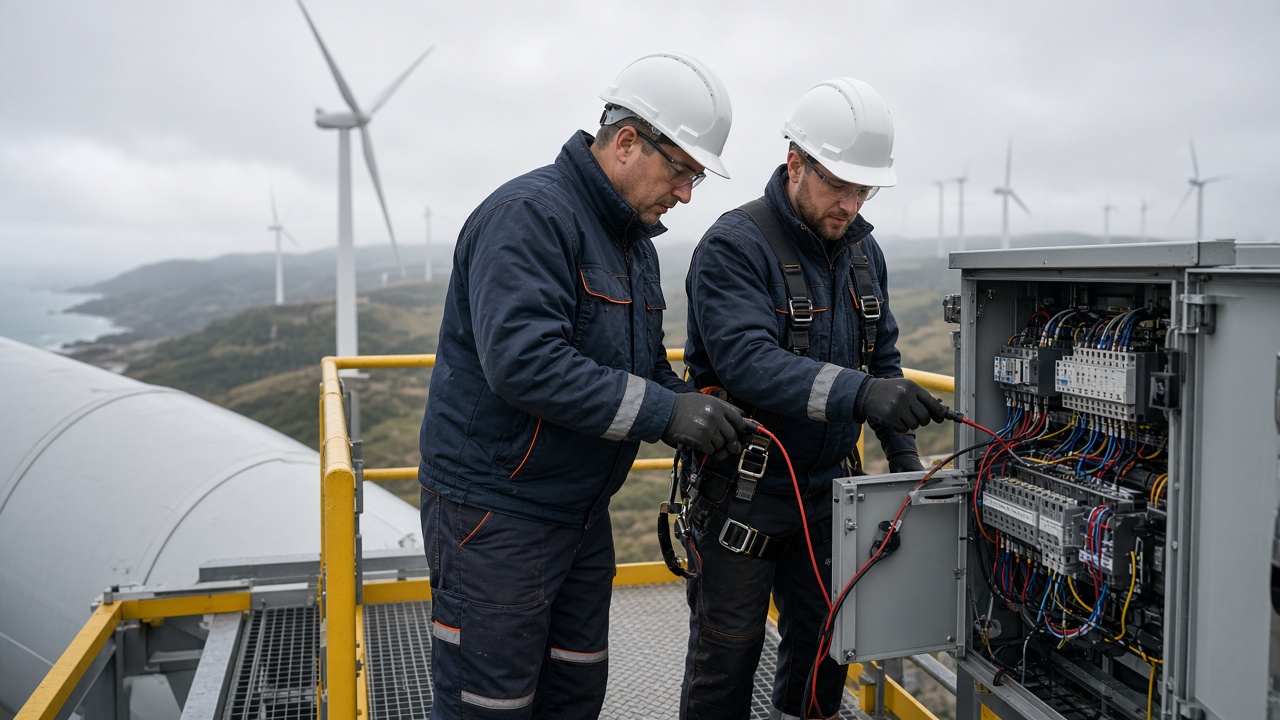
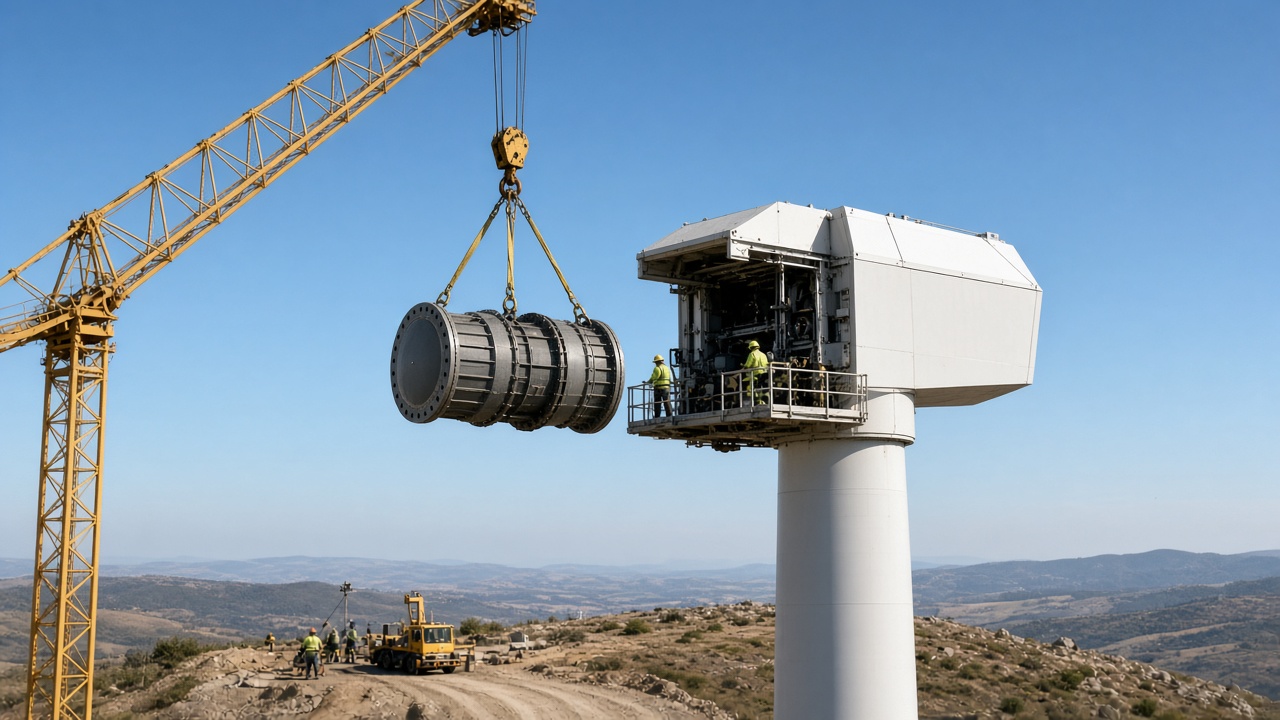
OEM root-cause reports sometimes arrived after market registration deadlines for availability reporting. Parallel insurance and warranty threads created duplicate expert reviews. Crane access conflicted with landholder harvest commitments, extending outage durations that counted against lender tests.
Measures taken
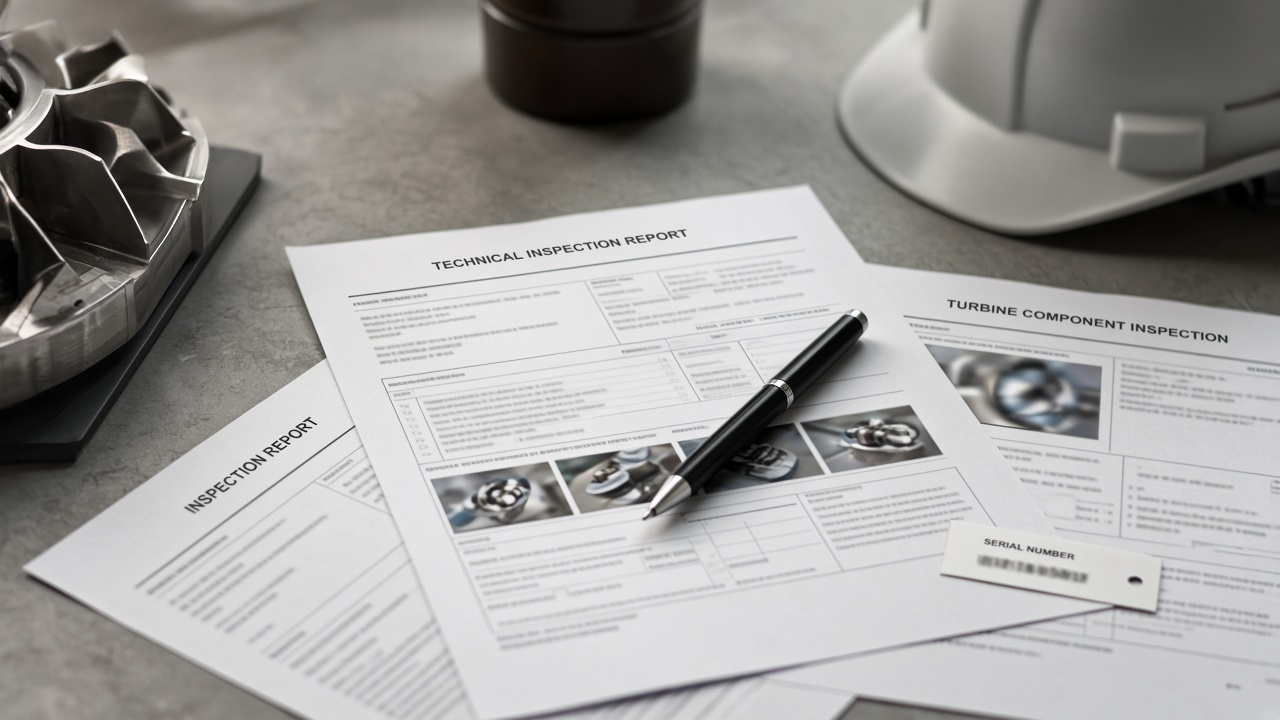
The owner instituted a serial-number ledger linking each remediation to foundation type, operating hours, and conditional approval references. Independent engineers reviewed disputed power curve claims before cash release. Outages were tagged warranty, owner, or force majeure in a register shared quarterly with technical advisers under confidentiality.
Outcomes
Major serial-number remediations closed with documented sign-off suitable for refinancing data rooms. Availability moved toward contractual bands without misclassifying owner-funded improvements as warranty recovery. The ledger became a template for storage augmentation defect reviews.