Environmental management
Monitoring programmes, remediation triggers, and coordination with landholders across the project footprint.
Stewardship in agricultural landscapes
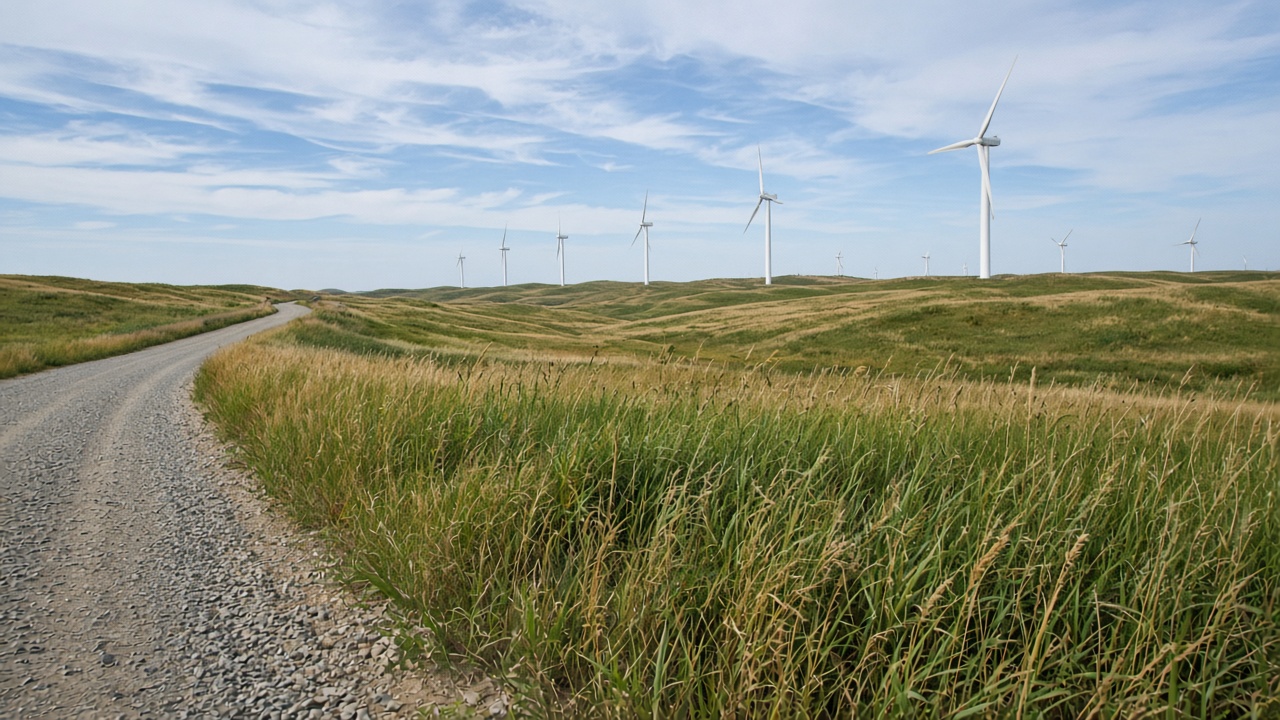
Utility-scale wind and storage occupy land that remains economically productive for grazing and cropping around infrastructure footprints. The owner’s environmental obligation is to meet approval conditions, respond to incidents, and avoid gradual encroachment on sensitive areas through informal track widening or unauthorised clearing.
Problems encountered
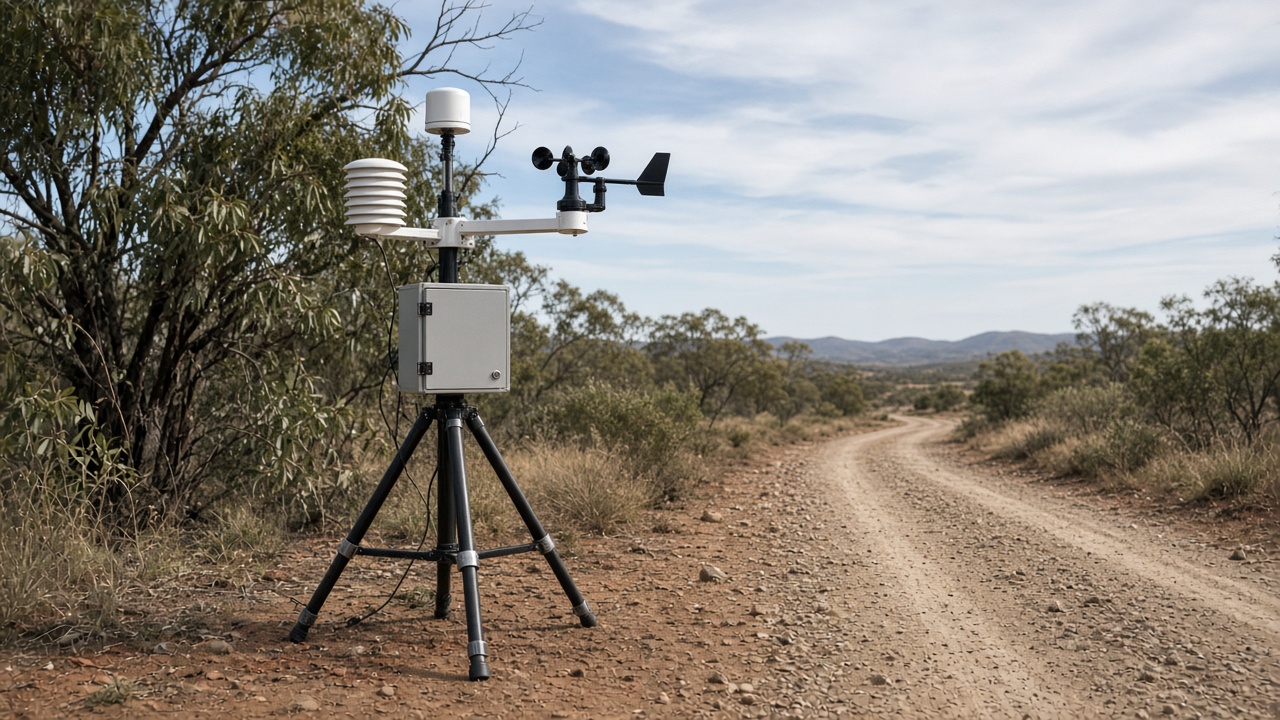
Weed invasion along new access roads spread into neighbouring paddocks, creating disputes about responsibility for herbicide application. Noise monitoring locations selected during development did not reflect how land use patterns shifted after commissioning. Storage enclosure drainage during intense rainfall raised sediment control concerns downstream. Fauna strike reporting for avian species required consistent field protocols that contractors initially applied inconsistently.
Measures taken
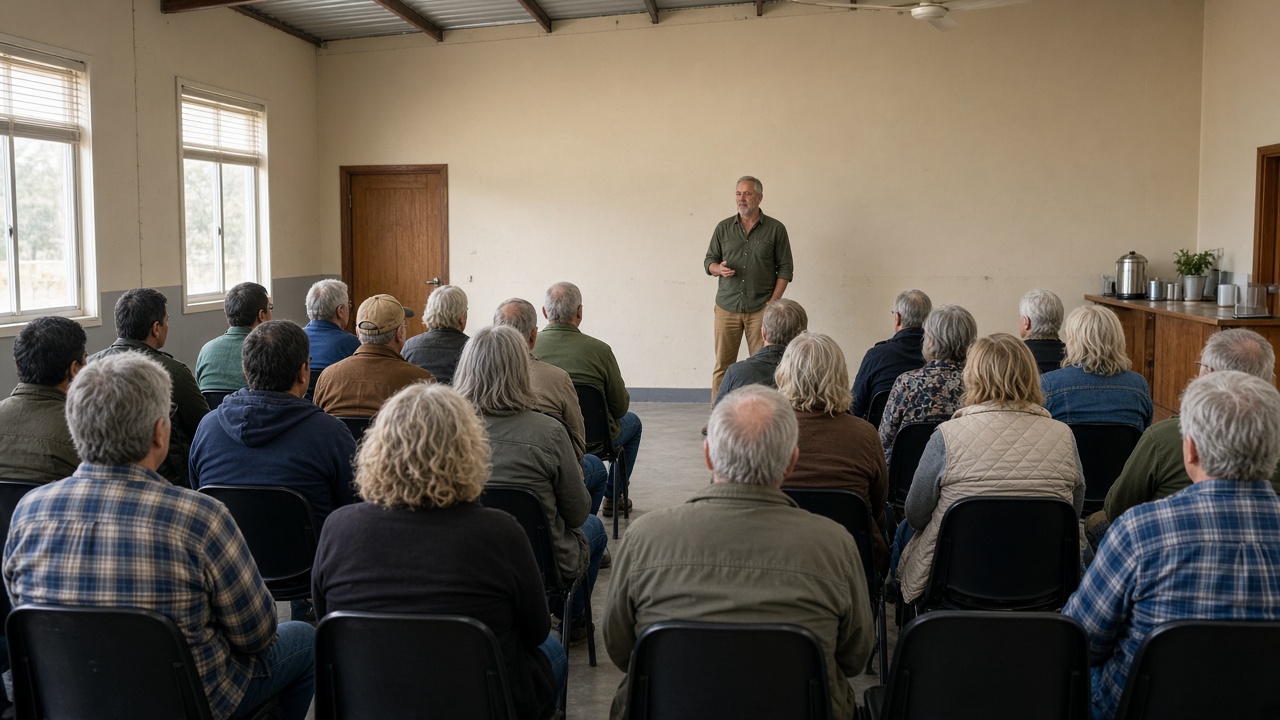
The owner adopted a single environmental incident register shared with community liaison contacts listed on the Community page. Monitoring schedules were re-baselined after five years of operational data rather than relying solely on pre-construction models. Sediment controls were upgraded at identified pinch points, with photographic evidence stored for regulator inspection. Avian monitoring contractors were consolidated under one scope with peer review of mortality classifications.
Outcomes
Condition compliance status is auditable year-on-year. Landholder complaints about weeds and drainage decreased after defined maintenance bands and response times were published internally. The owner can demonstrate that environmental management is treated as a credit risk factor—not as a philanthropic add-on—when speaking with investors who underwrite long-dated paper.
Condition compliance
Environmental incidents with community visibility require coordinated owner communication after operator stabilisation. Remediation timelines are tracked against approval conditions and insurer notification rules.
Environmental management FAQ
Where do neighbours report weed or drainage issues?
Are fauna strike reports public?
Does this brief replace environmental impact statements?
Related work
Linked briefs and insights for continued reading.