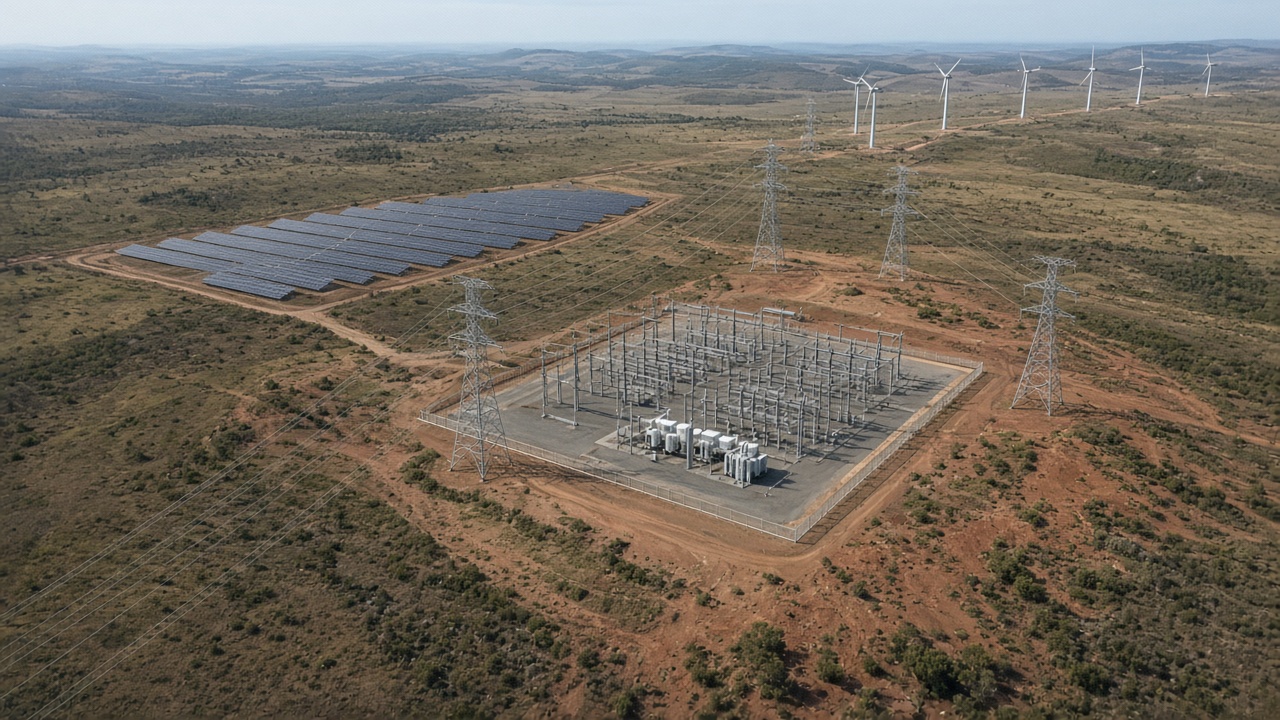
Grid and market connection
Connection compliance, constraint management, and disciplined correspondence with network and market institutions.
Institutional counterparties
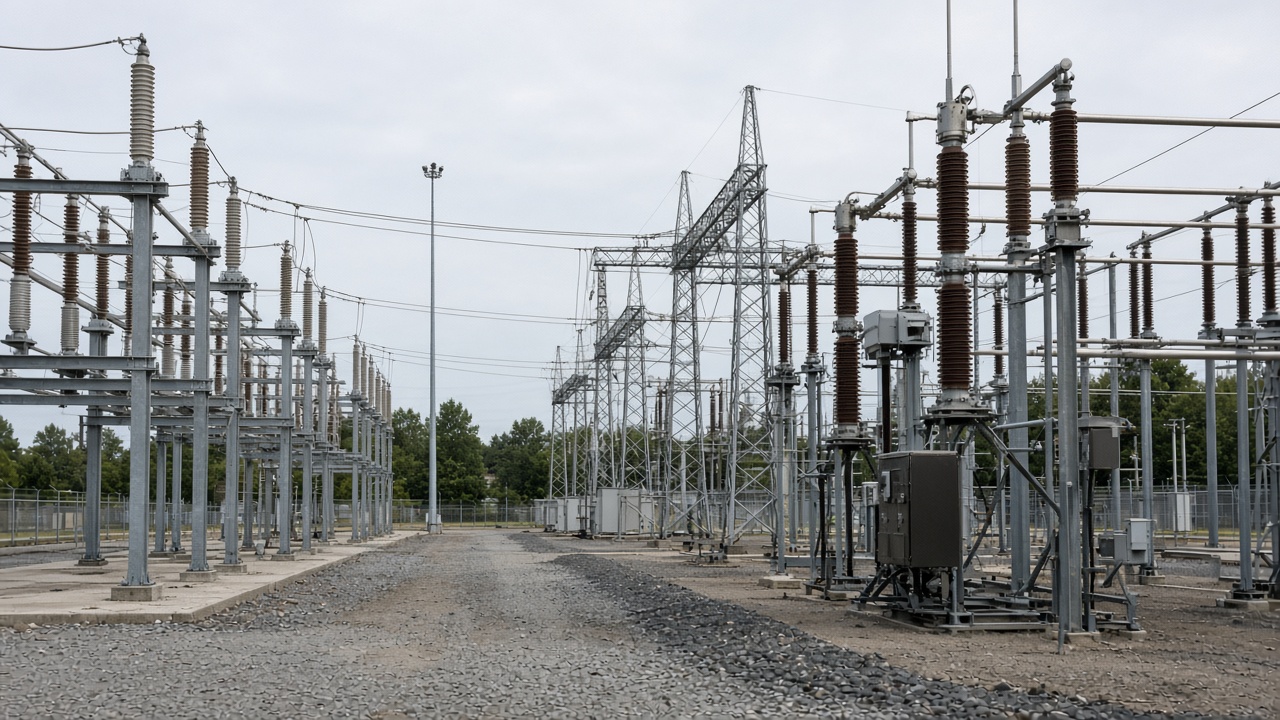
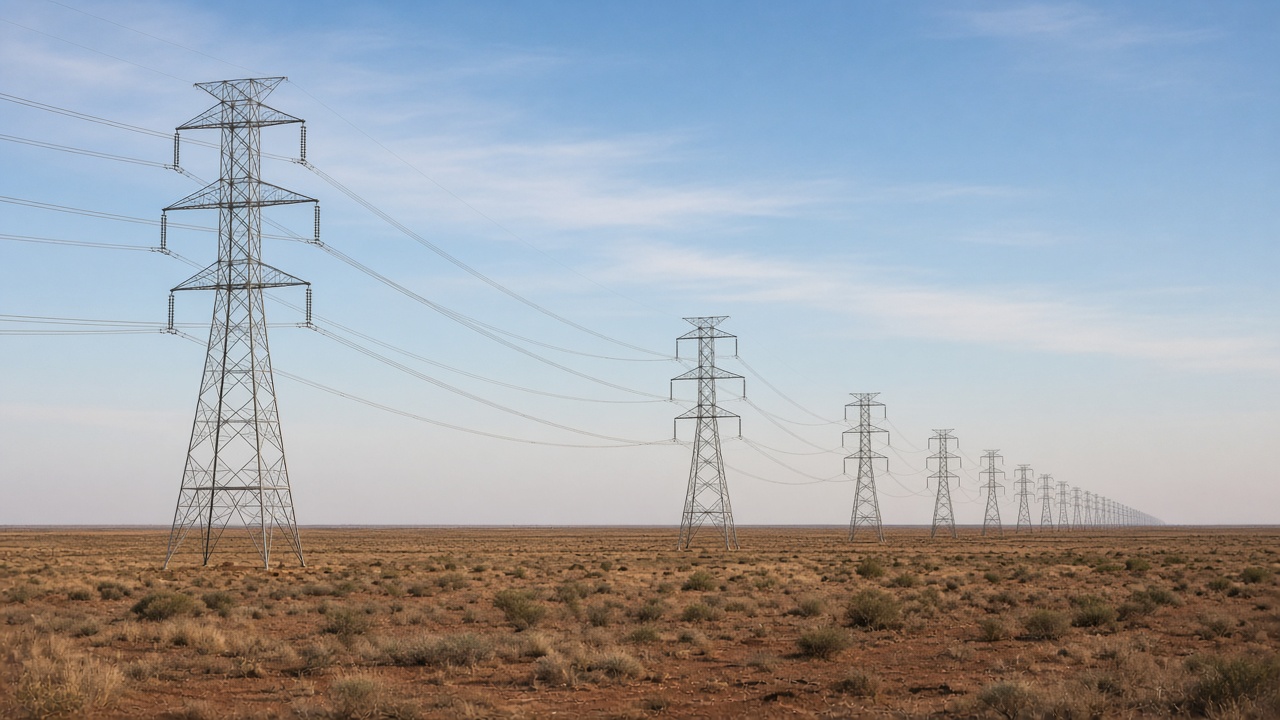
The owner interacts with transmission and distribution entities, the Australian Energy Market Operator, and the Australian Energy Regulator through formal channels—not through informal industry forums alone. Misaddressed correspondence delays exemption determinations and can trigger compliance notices. This SPV maintains routing instructions on the Contact page so that grid enquiries reach personnel authorised to bind the company.
Problems encountered
Network congestion in South Australia periodically limits export irrespective of wind availability, affecting revenue forecasts used in refinancing discussions. Protection setting changes after major system disturbances required re-study of fault levels at the point of connection. Registration updates for storage augmentation lagged physical commissioning in one phase, creating a window where operational staff had to curtail dispatch to remain compliant. Legacy correspondence stored across multiple advisers complicated responses to information requests spanning several years.
Measures taken
The owner consolidated a chronological index of connection approvals, limit equations, and registration IDs in the compliance register (see Compliance & Regulatory). Legal counsel review became mandatory before submitting exemption variations. Operations contractors received explicit limits on communicating with AEMO on the owner’s behalf without written authority. Scenario analysis for constraint hours was added to board packs so that investors understood export risk independent of turbine availability statistics.
Outcomes
Connection status for each asset phase is defensible under audit. Information requests from regulators received dated responses with attachments indexed in the public register when publication was required. While constraint risk remains a market-wide phenomenon, the owner’s governance outcome is reduced reputational risk from non-response or inconsistent statements across advisers.
Institutional correspondence
Misaddressed exemption mail or registration updates sent only to operators can delay determinations. The owner publishes routing through Contact so AEMO, AER, and transmission entities reach personnel authorised to bind HORNSDALE ASSET CO PTY LTD.
Grid connection FAQ
How should congestion risk be modelled?
Who updates market registration after augmentation?
Where are exemption chronologies listed?
Related work
Linked briefs and insights for continued reading.