Wind generation foundation
How the owner structured staged wind development, responded to layout constraints, and measured commissioning outcomes at Hornsdale.
Owner context
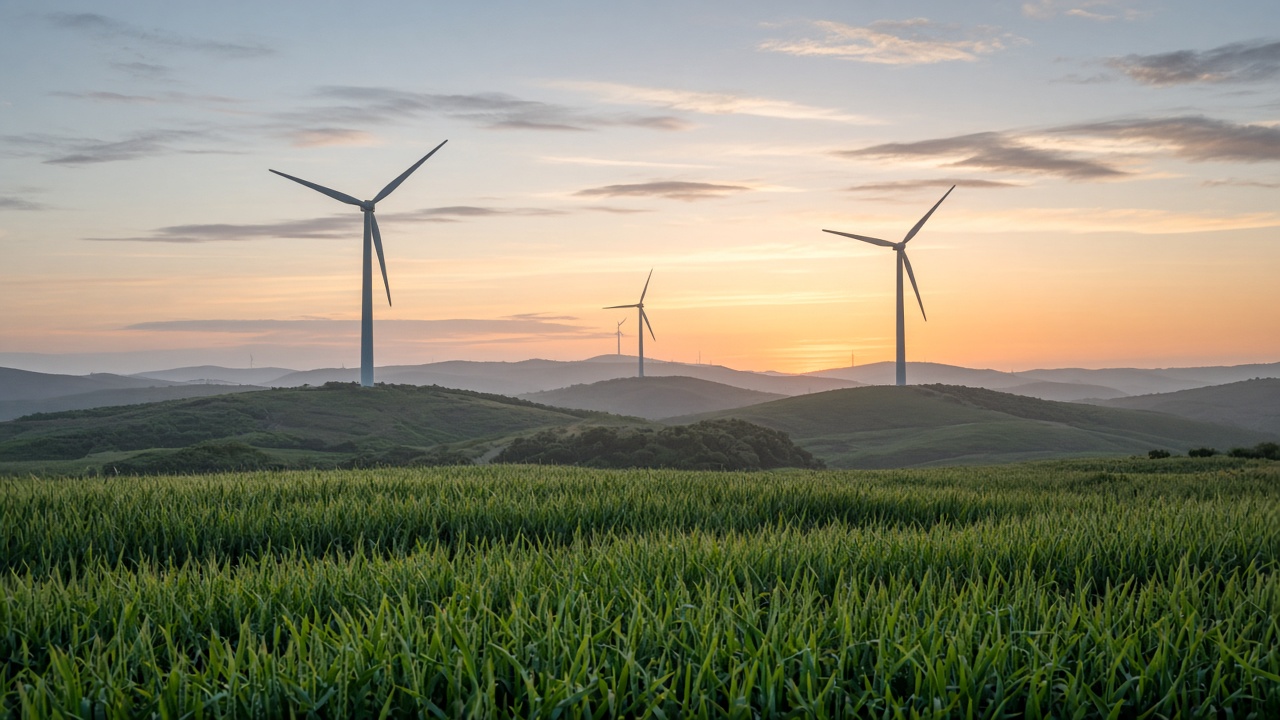
HORNSDALE ASSET CO PTY LTD holds the wind generation component as part of the combined Hornsdale asset. While turbine supply and construction were executed under contracts typical of Australian wind projects, the owner remained responsible for ensuring that layout, noise and shadow flicker conditions, and grid compliance milestones were reflected in the asset register and in disclosures to lenders. This brief summarises problems that commonly arise in staged wind developments and how they were addressed from an ownership perspective—not a turbine vendor perspective.
Problems encountered
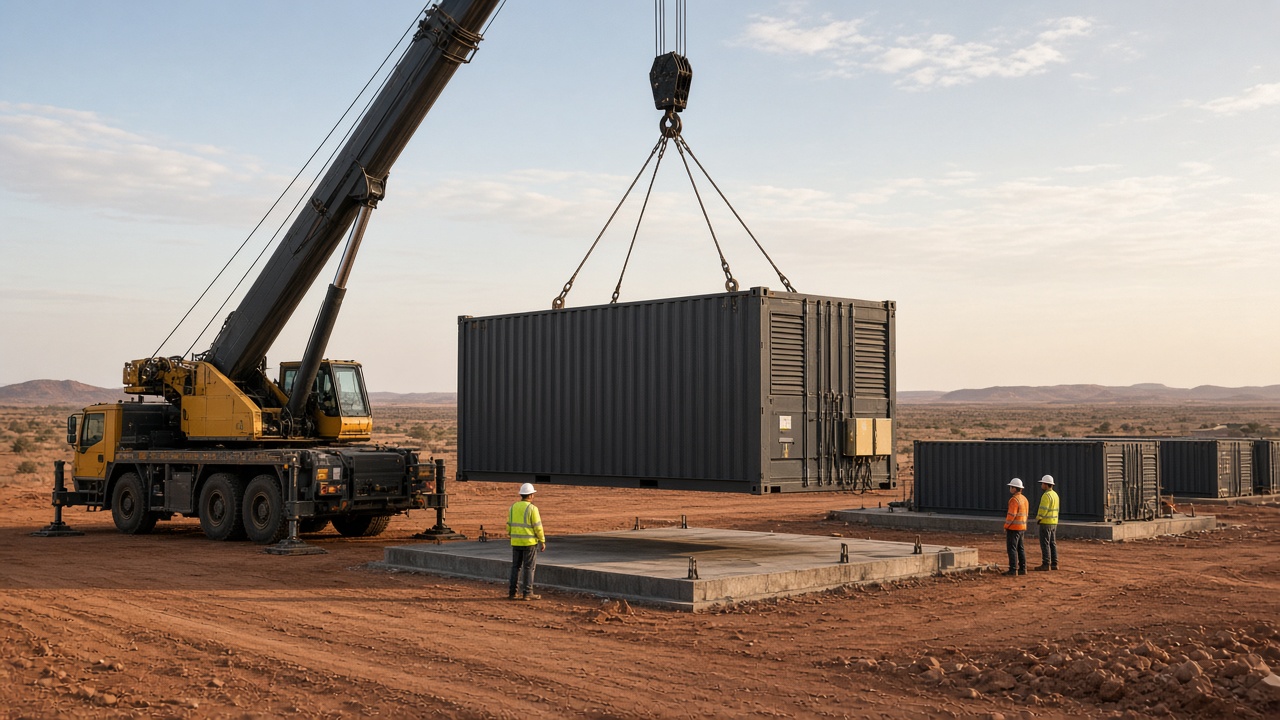
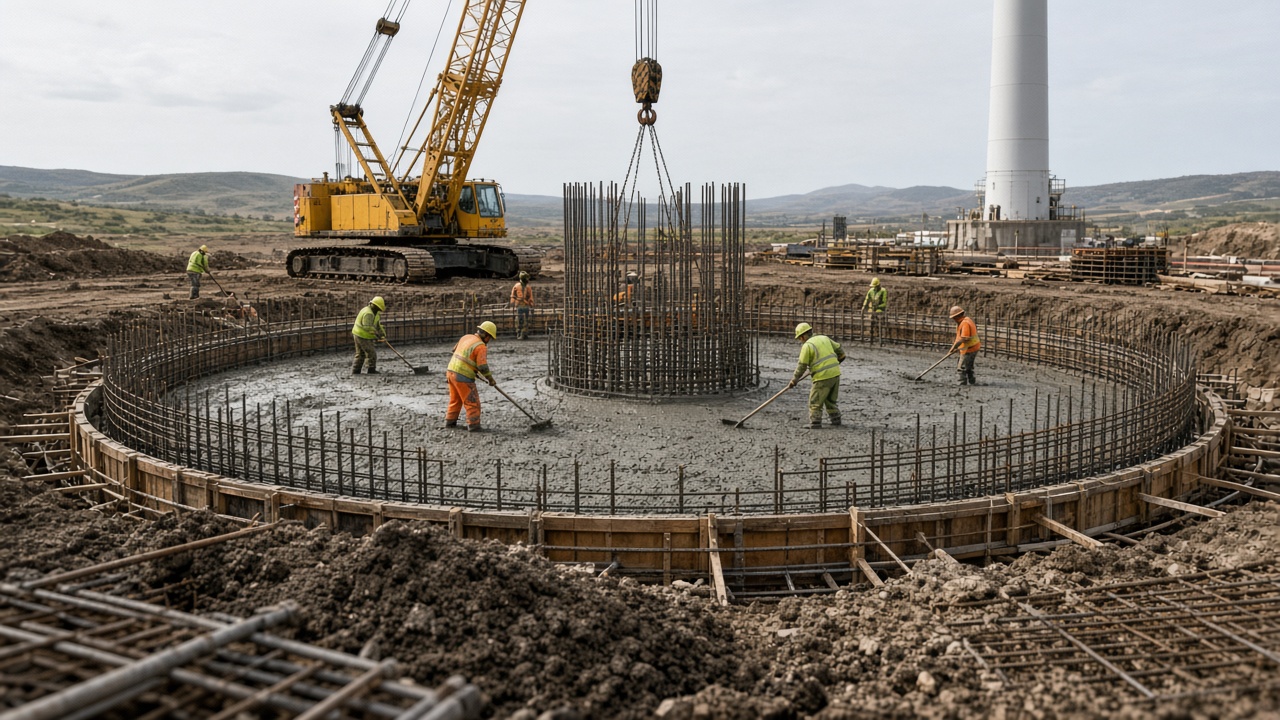
Micro-siting trade-offs emerged between maximising yield and respecting buffer distances negotiated with landholders. Seasonal access for heavy lifts conflicted with harvest windows on surrounding farms, compressing construction schedules and increasing demurrage risk on cranes. Variability in geotechnical conditions along the ridge required revised foundation designs in isolated locations, triggering variation claims that the owner had to adjudicate against warranty thresholds. Early SCADA integration exposed gaps between promised power curve performance and initial availability during the defect notification period.
Measures taken
The owner instituted a single register of technical exceptions linking each turbine serial number to foundation type, as-built coordinates, and conditional approval references. Independent engineers reviewed yield assessments after layout adjustments rather than accepting developer-only models. Commissioning checklists were aligned with Australian grid code tests required at the connection point, and failures were classified as warranty, force majeure, or owner risk before cash was released from contingency reserves. Training for landholder liaison staff emphasised documented access windows to reduce informal site entry that creates safety incidents.
Outcomes
Staged turbines entered commercial operation with a traceable paper trail suitable for lender technical advisors. Availability improved toward contractual bands after warranty remediation. The owner gained a baseline layout dataset used when storage augmentation required new cable routes and protection settings. Yield figures appear in market registration and lender reporting; the wind foundation remains financeable, insurable, and describable to regulators with documented evidence.
Technical coordination
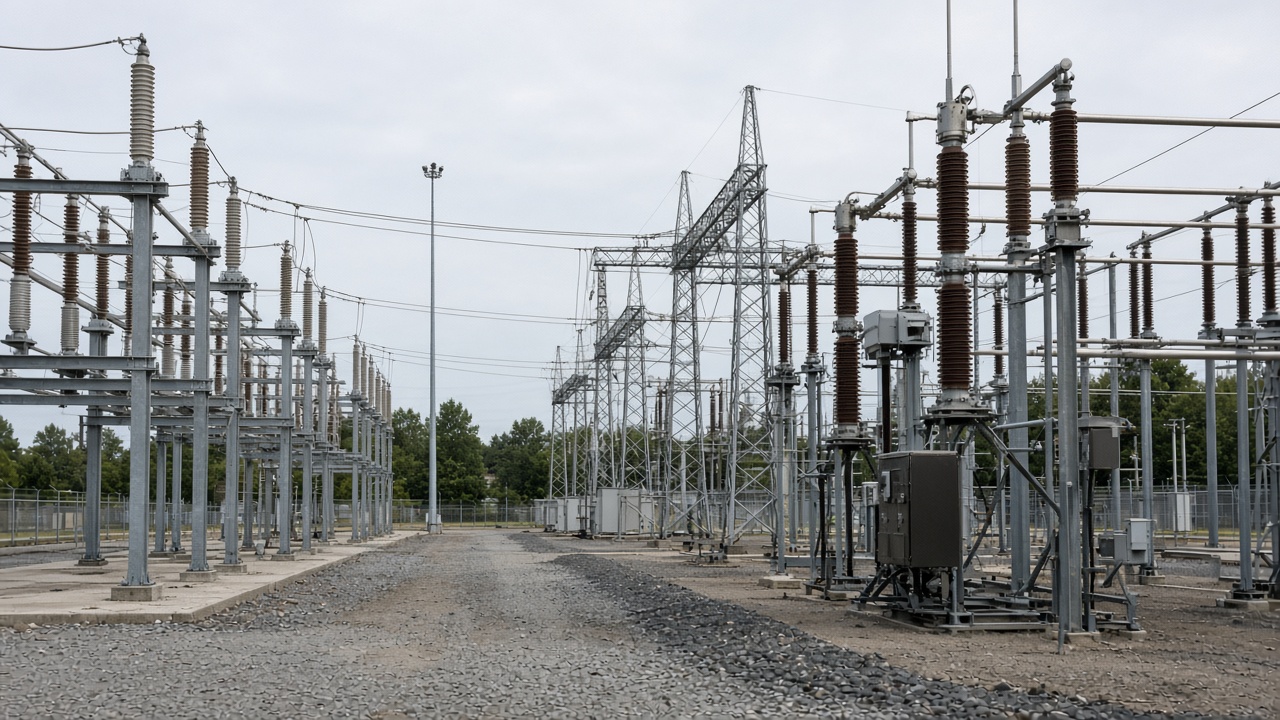
Wind layout decisions interact with storage cable routes and protection settings added in later augmentation phases. The owner maintains cross-references between turbine exception registers and subsequent grid studies so that lenders do not treat wind and storage diligence as isolated exercises.
Wind generation FAQ
Does this brief replace turbine OEM manuals?
How are noise and shadow flicker conditions tracked?
Can lenders rely on yield figures quoted here?
Related work
Linked briefs and insights for continued reading.